When you rent a self-drive car in Goa, you probably check the model, mileage, AC, or fuel level. What most people don’t check and only think about when something goes wrong is insurance. Even a small scratch, mirror crack, or bumper dent can become a big argument if you don’t understand the basics.
This guide explains what actually happens if you damage a rental car in Goa, what insurance covers, what it doesn’t, and how to avoid confusion before your trip even begins.
First: What Insurance Do Rental Cars Usually Have?
Most rental cars in Goa have basic third-party insurance, because it’s mandatory. But third-party insurance only protects other people and vehicles not the rental car you are driving.
Some vendors also take:
- Full insurance (comprehensive)
- Zero-dep or add-on cover (rare)
But most tourists don’t check this, and that’s where problems begin.
If You Crash a Rental Car What Happens?
1. Small Damage (Scratches, Paint Marks, Minor Dents)
Most vendors directly deduct repair cost from the deposit.
Typical costs:
- Small scratch: ₹500-₹1,200
- Bumper dent: ₹1,500-₹3,000
- Broken mirror: ₹800-₹2,000
- Minor rim/tyre issue: ₹1,000-₹2,000
Insurance usually does NOT cover this (unless zero-dep is available, which is rare).
2. Moderate Damage (Broken parts, larger dents)
Vendors may:
- Deduct from deposit
- Add extra charge
- Use insurance if it’s a major repair
If insurance is used, the renter may still pay:
- Deductible
- Panel damage cost
- Loss-of-use cost (if vendor charges for days vehicle is unavailable)
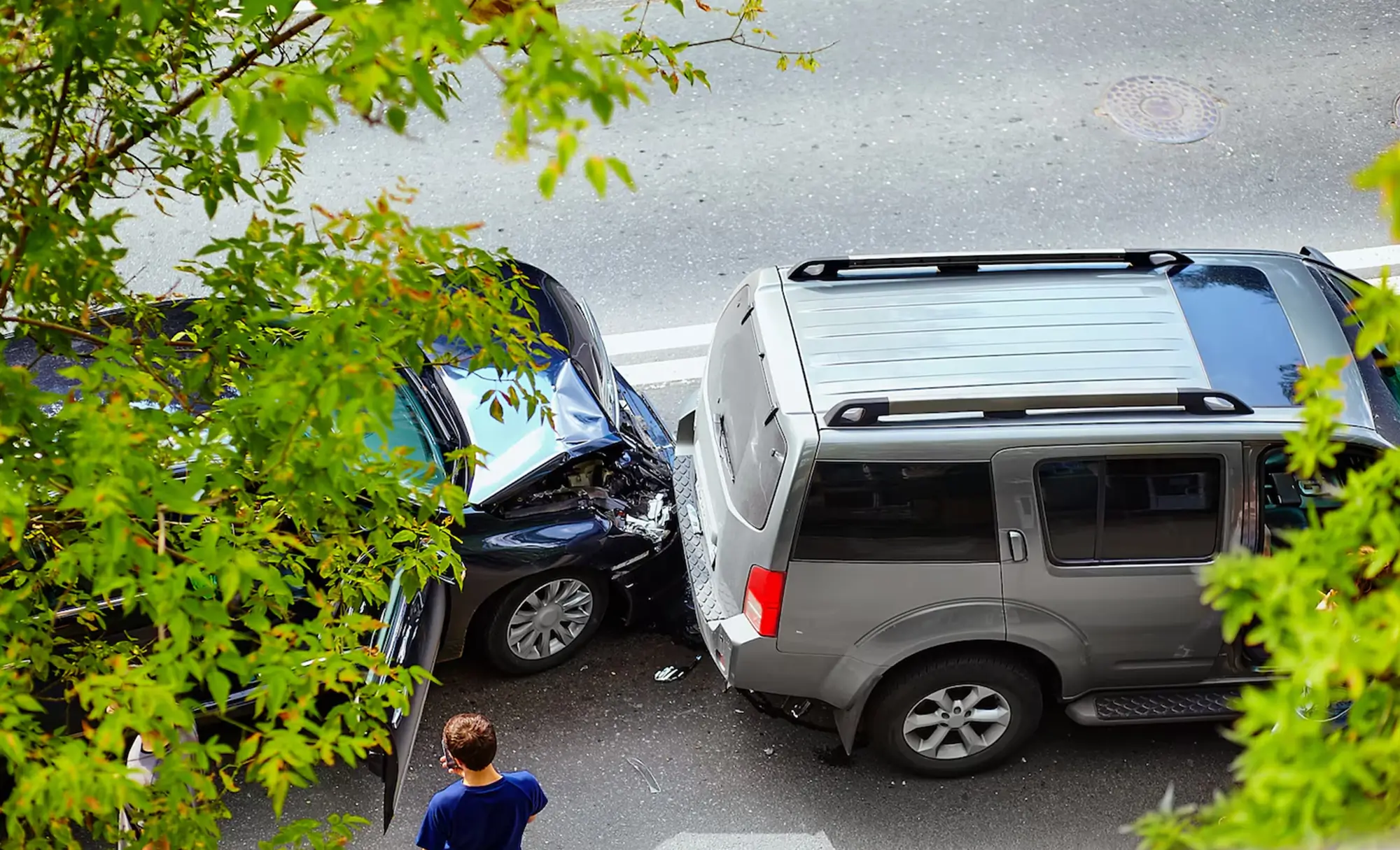
3. Major Accident
If the car is fully damaged, insurance usually covers it — but only if:
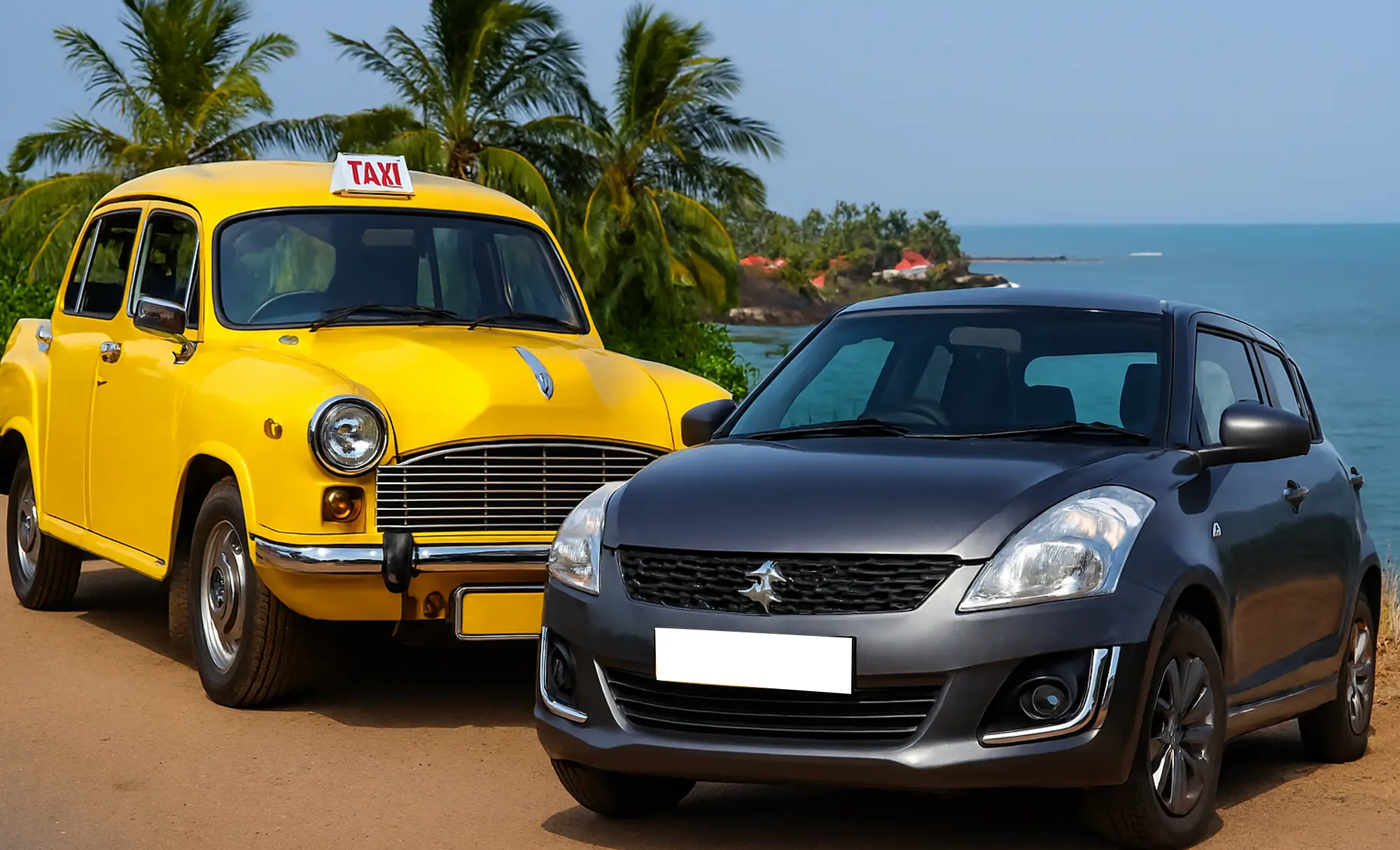
- Car is a yellow-plate rental car
- RC matches commercial/rental use
- Papers are valid
- Driver had a valid licence
- Accident was reported properly
If any of these are missing, insurance companies can reject claims — and the vendor will try to recover money from you.
This is why checking the plate and papers matters more than people realise.
Yellow-Plate vs White-Plate Insurance Difference
| Plate Type | Rental-Friendly? | Insurance Valid? |
|---|---|---|
| Yellow Plate | Yes | Covers hired/self-drive use |
| White Plate | No | Usually NOT valid for rentals |
If you rent a white-plate personal car and crash it:
- Insurance may not apply
- Full repair cost might fall on you
- Vendor may ask for a large amount
This is why renting a yellow-plate vehicle is the safer choice.
What Insurance Does NOT Cover (Common Misunderstandings)
These are usually not covered:
- Minor scratches
- Tyre damage due to potholes
- Interior damage
- Broken headlights if caused by careless driving
- Damage from driving drunk
- Damage from off-roading
- Driving without licence
Tourists often assume insurance covers “everything.” It doesn’t.
What You Should Check Before Taking the Car
This takes 1 or 2 minutes and saves major stress later:
-
Insurance validity
Check the date — that it’s not expired. -
Type of insurance
Ask:- “Is it third-party or full coverage?”
- You don’t need details — just the category.
-
RC details
Must match:- Commercial use
- Yellow plate
- Same car number
-
Deposit terms
Clear understanding of:- What gets deducted
- What doesn’t
- When deposit will be returned
-
Existing damage photos
Take 8–10 pictures:- Front
- Back
- Sides
- Bumper
- Windscreen
- Tyres
- Fuel level
- Odometer
This removes 80% of future arguments.
If an Accident Happens — Step-by-Step
1. Keep calm
Small scrapes are normal in Goa’s narrow lanes.
2. Inform the vendor immediately
They will tell you what to do next.
3. Take photos/videos of the damage
Angles matter, especially if someone else caused it.
4. Only move the car if it’s safe
For major damage, wait for the vendor or police instructions.
5. Clarify if insurance needs to be used
Vendors decide based on severity.
6. Keep your agreement and documents handy
They help avoid misunderstandings.
Most situations are solved with clear communication.
Realistic Expectation: Who Pays What?
| Damage Type | Who Pays? | Notes |
|---|---|---|
| Tiny Scratches | Usually the renter | Quick repair cost |
| Minor Dents | Renter | Deducted from deposit |
| Broken Part | Mostly Renter | Costs Vary |
| Major Accident | Vendor + Insurance | Only if papers match |
| Total loss | Insurance | Renter pays deductible (if any) |
Knowing this helps you plan your trip without unnecessary worry.
Simple Tip to Avoid Insurance Confusion
Most insurance-related problems come from renting the first car available near a crowded beach or market. A far better way is to check vendors around your stay, compare their documents, and confirm the plate and insurance before finalizing.
Platforms like FindOnRent make this easier — you can see verified vendors, check their basic details, and contact them directly without middlemen or unclear terms.
Final Summary
| To Stay Safe | Do This |
|---|---|
| Check Plate | Rent yellow-plate cars |
| Confirm Insurance | Ask if it’s third-party or full |
| Protect Deposit | Take photos + clear agreement |
| Avoid Confusion | Talk to vendor before driving |
| Better Clarity | Contact vendors near your stay |